
And why is it important in rejuvenative aesthetics?
In the world of aesthetics, there are plenty of buzz words to go around-regenerative, rejuvenation, collagen stimulation, and bio-remodeling- are some of the favorites thrown around.
But underneath all of these buzzwords is one biological process that actually determines whether your skin heals stronger … or simply heals.
That’ process is called the inflammation cascade.
Understanding this process completely changed the way I think about aesthetic treatments. Instead of asking “What treatment makes the skin look better?” I started asking “What biological response am I creating inside the skin?”
Because ultimately, we’re not treating wrinkles. We’re trying to guide the skin into rejuvenation through wound healing. We’re trying to stimulate a specific response inside the tissue.
First, What is Inflammation?
Most people hear the word inflammation and immediately give it a negative connotation. But inflammation isn’t inherently bad. It can be one of the smartest repair mechanisms your body has and it evolves over time.
Every time you get a paper cut, scrape your knee, undergo laser resurfacing, or have microneedling performed, your body launches an incredibly coordinated healing response.
This response has one mission:
Restore tissue to its healthiest possible state.
Without inflammation cuts wouldn’t heal, bones wouldn’t repair, collagen wouldn’t regenerate and skin would never remodel after treatment.
Inflammation isn’t inherently bad, poorly controlled inflammation is.
Meet the Inflammation Cascade
Think of this cascade as a construction crew coming after a building has been damaged.
First, emergency responders arrive. Then debris is cleared, architects come in and assess the damage, construction workers begin to rebuild, and finally, inspectors fine-tune the finished structure.
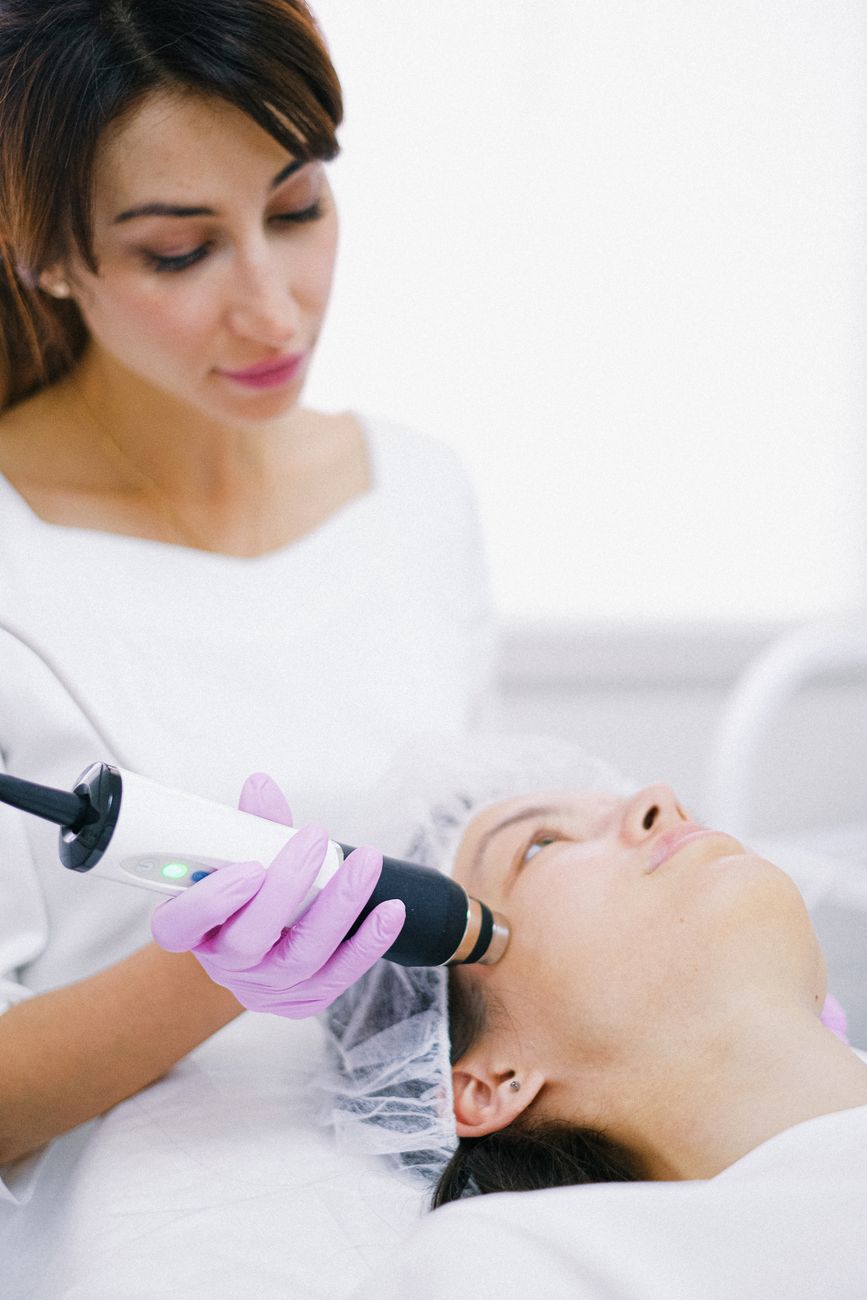
Your skin follows this same sort of sequence every time it’s injured. It doesn’t matter if the injury is coming from microneedling, MOXI, BBL, RF microneedling, chemical peels, CO2 lasers – each rejuvenation treatment is intentionally creating a controlled injury.
The injury isn’t the treatment – The healing response is.
Phase 1 is hemostasis. This is the emergency response from your body immediately after injury- it constricts the blood vessels to stop the bleeding. Platelets rush into the area and form a clot. But these platelets do more than just stop the bleeding – they’re tiny biological messengers packed with growth factors that send messages to the surrounding cells telling them to begin the repair process.
Phase 2 is Inflammation. This is when immune cells flood to the treatment area to start the clean up. They remove damaged collagen, destroy bacteria, clean cellular debris, release cytokines and recruit fibroblasts. This is why your skin becomes red, warm, swollen and tender. These aren’t signs that your treatment “went wrong” – they are evidence that your body is recognizing an injury and has activated healing.
The goal isn’t to eliminate inflammation. The goal is to create the right amount.
Too little and you won’t stimulate a meaningful remodeling response. Too much and now your tissue is damaged and the inflammation is more destructive than regenerative.
When we initially injure the skin with a treatment – inflammatory signals recruit immune cells and activate fibroblasts to begin repair. Ideally that inflammatory phase does its job and then resolves, allowing the skin to transition into proliferation and remodeling. But if the injury is too aggressive-or inflammation becomes excessive or prolonged- the biology starts working against us. High or persistent levels of inflammatory cytokines can increase oxidative stress and MMPs. MMPs are enzymes that break down components of the extracellular matrix, including collagen. So you can reach a point where you’re stimulating collagen production with one hand while increasing collagen degradation with the other. It can also contribute to barrier disruption, melanocyte stimulation and abnormal remodeling. This is why it’s extremely important to go to a provider who understands the biomechanics of the skin and the process of the inflammation cascade. This is also why it’s important to listen to your provider when they tell you to pretreat with the products they recommend. A lot of times – these products are introduced before the treatment to interrupt certain cell signal pathways to avoid adverse reactions from a treatment, or introduced to support that remodeling process we are about to initiate.
Phase 3 is the proliferation phase. This is where the skin starts rebuilding and things start getting exciting. Now your fibroblasts are moving into the treated tissue and producing collagen, elastin, hyaluronic acid and extracellular matrix proteins.
You can think of fibroblasts as your skin’s construction workers. They facilitate new collagen production and blood vessel formation and improve the health of our skin barrier function and extracellular matrix. This phase can last for weeks – sometimes even months. This is why collagen stimulation isn’t immediate- it build over time. Your body can’t rebuild an entire support structure overnight. I typically like to tell my clients that collagen production peaks around 8-12 post treatment – but it can continue to remodel and improve for much longer.
The final stage of the inflammation cascade is the remodeling phase. This is the fine tuning and refinement stage. If we go back to the construction analogy – this is where inspectors come in and fine tune the structures.
Collagen isn’t built in a day. For months after the initial new collagen growth, your body continues to strengthen and reorganize these collagen fibers. Weak collagen is broken down and removed. This can continue to improve for 3-12 months after advanced treatments like microneedling or fractional lasers. And when do these treatments in a series – as we almost always recommend – the results compound on top of each other. And this is where we get effectual rejuvenation.
The inflammation cascade is about improving the biology that created the initial skincare concerns in the first place.
We are not simply lightening pigment or erasing a wrinkle – we are working to improve cellular communication, fibroblast function, growth factor signaling, barrier integrity and long-term collagen architecture. Inflammation is an essential part of healing – not something to eliminate and every rejuvenative treatment works by initiating a controlled would-healing response. Collagen production depends on a well-orchestrated inflammation cascade and healthy fibroblast function.
As we age, these healing processes naturally become less efficient – so it’s essential to get regular treatments that keep your skin healthy, strong and organized. Advanced treatments are designed to encourage a healing response that is efficient and regenerative rather than prolonged and chaotic – and this is where reaching the right amount of inflammation in a treatment is essential. Many clients want to go “hard” on their first treatment so they don’t need as many treatments. It’s important, as a provider, that we understand the inflammation process we are creating in the skin and the importance of starting low and slow and building the skin’s tolerance up. This is what creates beautiful, well rounded results and avoids adverse reactions like scarring, pigmentation and prolonged inflammation.
The future of aesthetics is shifting toward optimizing the skin’s biology and leaning into the biological process that keep the skin functioning younger, healthier and more efficiently. I hope this article helped you understand a little more about the way these treatments work with your biological processes to keep you looking and feeling your best!
Thanks for reading!
XoXo,
Your Estie Gal Chelsea
